
PART 1: Daily Operation & Basic Maintenance
Author: Quinn wong
Reading Time: 3--4 min
Introduction
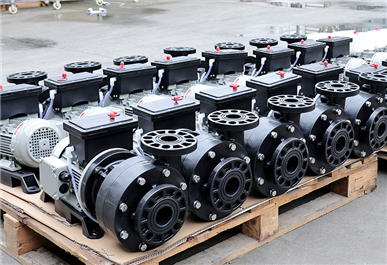
A magnetic drive pump (mag-drive pump) transfers liquid through a magnetic coupling instead of a mechanical shaft seal, providing zero seal leakage during normal operation.
Because of this, magnetic pumps are widely used in chemical processing, electroplating, semiconductor manufacturing, wastewater treatment, and other corrosive liquid applications.
Although magnetic pumps eliminate seal leakage, several internal parts are wear items, including:
- Sleeve bearings
- Shaft sleeves
- Containment shell (isolation sleeve)
- Inner and outer magnetic assemblies
The three most common causes of damage are:
- Dry running
- Solid particles in the liquid
- High-temperature crystallization
Routine maintenance greatly extends pump life and helps prevent expensive failures such as containment shell burnout, demagnetized magnets, seized bearings, and unexpected downtime.
This is Part 1. We'll cover daily pre-start checks, routine inspection during operation, and short-term shutdown procedures.
Daily Pre-Start Inspection
Perform these checks before starting the pump every day.
1. Check Liquid Level and Fluid Condition
- Make sure the supply tank contains enough liquid.
- Never allow the pump to draw air.
- Verify that the liquid temperature is within the pump's rated operating range.
- Cool hot liquids if necessary to reduce the risk of cavitation.
2. Check Valves and Piping
- Fully open both suction and discharge valves.
- Remove trapped air from the pump and piping.
- Inspect the suction pipe for air leaks, damage, or kinks.
- Check that the inlet strainer is clean and undamaged.
3. Check Fluid Cleanliness
Magnetic pumps rely on the pumped liquid to lubricate the internal bearings.
Avoid pumping liquids containing:
- Sand
- Metal particles
- Crystals
- Sludge
- Other solid contaminants
Clean the filter regularly.
If the liquid tends to crystallize, filter or dilute it before pumping.
4. Check Motor Rotation
Momentarily jog the motor to verify the rotation direction.
Incorrect rotation can cause:
- Low flow
- Low pressure
- Strong vibration
- Reduced efficiency
5. Check Cooling System (High-Temperature Pumps)
For pumps equipped with a cooling jacket:
- Start the cooling water before running the pump.
- Make sure the cooling passages are not blocked.
Routine Inspection During Operation
Monitor Temperature
Typical reference values:
- Containment shell surface: below 80°C (176°F)
- Motor housing: below 70°C (158°F)
Abnormal temperature rise may indicate:
- Dry running
- Bearing wear
- Internal rubbing
- Magnetic coupling slipping
- Blocked cooling passages
Listen for Noise and Vibration
A healthy magnetic pump produces only smooth fluid flow noise.
Stop the pump immediately if you hear:
- Metal scraping
- Grinding sounds
- Sudden vibration
- Knocking noise
These symptoms often indicate:
- Worn bearings
- Impeller rubbing
- Foreign material inside the pump
Check Flow and Pressure
Watch for:
- Reduced flow
- Pressure fluctuations
- Unstable discharge
Possible causes include:
- Air entering the suction line
- Clogged filter
- Bearing wear
- Magnet demagnetization
- Magnetic coupling slip
Inspect for External Leakage
A magnetic pump should not leak during normal operation.
If leakage appears around:
- Flanges
- Gaskets
- Pipe connections
Stop the pump and replace damaged seals or PTFE gaskets.
Also inspect the pump casing for corrosion or swelling.
Monitor Motor Current
Motor current should remain close to its rated value.
High current may indicate:
- High system resistance
- Impeller blockage
- Heavy liquid
- Mechanical friction
Low current may indicate:
- Dry running
- Magnetic decoupling
- Loss of load
Short-Term Shutdown (1--7 Days)
- Close the discharge valve.
- Turn off the motor.
- If pumping crystallizing or settling liquids, flush the pump with clean water for 5--10 minutes.
- Leave the pump filled with clean liquid whenever possible.
Do not store the pump completely dry if corrosion protection is required.
End of Part 1
Daily checks and routine monitoring go a long way in preventing sudden breakdowns. But there's more to keeping a mag-drive pump healthy --- bearings wear out, containment shells degrade, magnets lose strength over time. In Part 2, we'll cover scheduled maintenance, disassembly inspection, replacement criteria for wear parts, and common mistakes to avoid.
 (2).jpg)
 WhatsApp
 Facebook
 LinkedIn
 YouTube