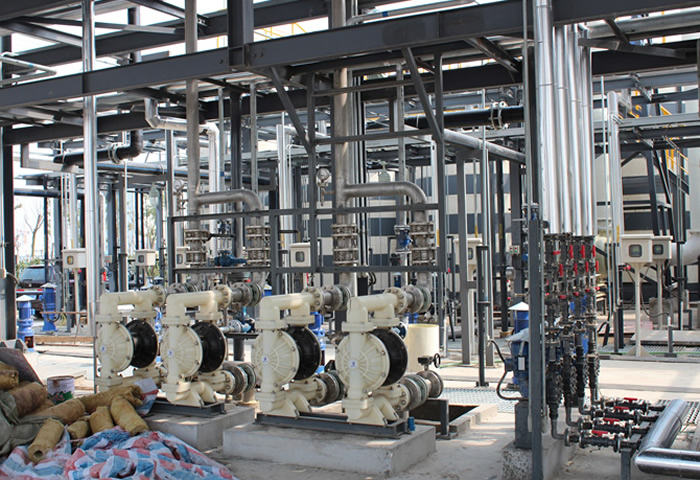
1. What Is a Pneumatic Diaphragm Pump? A pneumatic diaphragm pump, also known as an AODD pump (Air-Operated Double Diaphragm Pump), is a type of positive displacement pump powered entirely by compressed air. Unlike electric pumps, AODD pumps do not require motors, which means they avoid electrical sparks and reduce o……
Lithium battery electrolyte is primarily composed of lithium hexafluorophosphate (LiPF₆) dissolved in carbonate solvents such as EC, DMC, and EMC.
Choosing the right magnetic drive pump requires more than matching flow rate. Material compatibility, operating conditions, and safety requirements all play a critical role in ensuring reliable electrolyte transfer.
Cavitation is one of the most common causes of chemical pump failure. Whether you're using a centrifugal pump, magnetic drive pump, or self-priming pump, cavitation can reduce performance, damage internal components, and create serious safety risks—especially when handling corrosive or flammable chemicals.
Even with proper pump selection and system design, cavitation can still occur. Recognizing the warning signs early and responding quickly can prevent severe equipment damage, costly downtime, and safety risks. This guide covers practical troubleshooting, routine maintenance, and cavitation prevention for common chemic……
Continuous electroplating lines—including PCB copper plating, PCB electroplating, reel-to-reel plating, terminal plating, and FPC manufacturing—operate around the clock. Compared with batch plating systems, they place much higher demands on pump reliability, chemical resistance, and long-term stability.
Chemical liquid filters are essential components in many industrial processes. Common liquid systems include cartridge filters, bag filters, magnetic filters, vertical filters, and chemical-resistant liquid units used together with magnetic drive pumps, centrifugal pumps, self-priming pumps, and diaphragm pumps.
2. Liquid Accuracy Selection (Micron Rating) Liquid accuracy is measured in microns (μm). A smaller micron value means finer liquid. However, finer liquid does not always provide better performance. If the filter rating is too fine for a highly contaminated liquid, the filter may clog quickly and increase maintenance ……
Selecting the correct filter housing and filter element is important, but proper installation directly affects liquid performance and system reliability.
Technical specifications are important, but real-world application conditions and troubleshooting experience often determine the long-term performance of a liquid system.
1. How Each Pump Works Standard Centrifugal Pump A standard centrifugal pump requires the pump casing and suction line to be completely filled with liquid before startup. If air remains inside the casing, the impeller cannot create sufficient suction, and the pump becomes air-bound. No liquid enters the pump, and dry……
A Self-priming pump is an improved type of centrifugal pump. Unlike a standard centrifugal pump, which must be completely filled with liquid before starting, a self-priming pump has a built-in liquid storage chamber that keeps a certain amount of liquid inside the pump. After the first filling, the pump can automatica……

 WhatsApp
 Facebook
 LinkedIn
 YouTube