
Safe Transfer of Aggressive Chemicals · Heavy-Duty Corrosion-Resistant Pumping Technology
Chemical production involves a wide range of challenging fluids, from strong acids and alkalis to solvents, polymers, and temperature-sensitive chemicals. Meibao provides reliable pumping solutions for chemical processing, petrochemicals, and fine chemicals, covering applications from tank unloading and reactor feeding to chemical dosing and circulation.
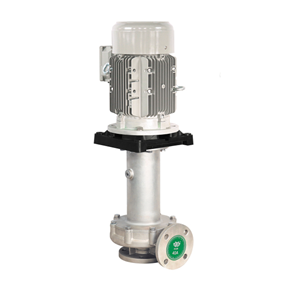
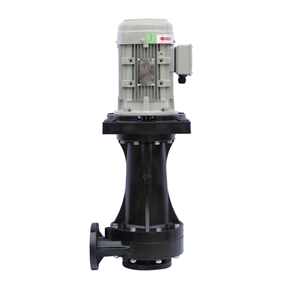
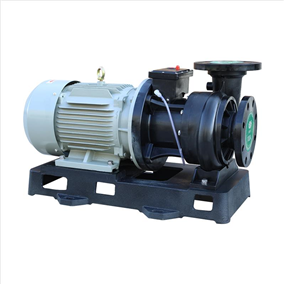
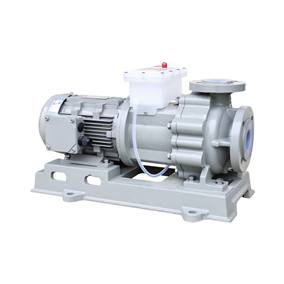
Our MB-F fluoroplastic pumps, MB-MD magnetic drive pumps, and MB-D diaphragm metering pumps are designed for demanding conditions such as high corrosion, high temperature, toxic media, and precise dosing. High-purity wetted parts, low-dead-leg flow paths, and zero-leakage designs help improve safety, cleanliness, and process reliability while reducing maintenance and contamination risks.
Why Chemical Pumping Requires More Than Corrosion Resistance
Chemical processes involve corrosive, high-temperature, toxic, and contamination-sensitive media. Pumps must withstand harsh operating conditions while minimizing leakage, emissions, and residual contamination.
Engineered for Corrosion Resistance, Zero Leakage & Easy Cleaning
Meibao combines advanced materials, sealed-drive technology, and sanitary flow-path design to address the toughest chemical pumping challenges. From high-temperature corrosive fluids to toxic media and strict cleaning requirements, our pump solutions are designed for safer, cleaner, and more reliable operation.
MB-MD-S Series features a sanitary zero-dead-leg flow path with residual volume ≤8 mL, plus standard SIP/CIP capability. It delivers TOC ≤0.5 ppm, while reducing batch changeover cleaning time by up to 58% and water consumption by 42%.
Recommended Pumps for
Chemical Industry
Each pump model is available in multiple material configurations to match the exact chemical and thermal requirements of your process.
 Recommended
 Recommended
 Recommended
 Recommended
Anti-Clogging Self-Priming Pump for Wastewater Lifting: 380 L/min Stable Flow, 0 Leakage, Annual Savings
The customer's three main problems—clogging, leakage, and self-priming failure—were closely connected:
• To prevent clogging, the impeller needs wide flow passages that can handle solid particles.
• To prevent leakage, the traditional shaft seal needs to be removed.
• To ensure reliable self-priming, the pump needs strong air-water separation and self-priming capability.
Explore Other Application Areas
Need Help Selecting the Right Pump for Your Process?
Our industry application engineers have direct process experience. Share your process data sheet and we'll provide a detailed pump recommendation with material selection, model number, and expected performance curve — typically within 48 hours.
 WhatsApp
 Facebook
 LinkedIn
 YouTube